
Apostilling a Death Certificate in Tijuana: Practical Guide

If you live in Tijuana and a family member has recently passed away, you may need to apostille the death certificate to handle official matters abroad — especially in the United States.

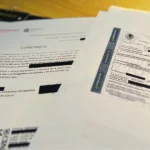
The apostille is an international certification that authenticates public documents for use abroad, under the Hague Convention. In the case of a death certificate, this process is often required to:

  • Claim property, bank accounts, or inheritance in the U.S.
  • Complete insurance, pension, or estate procedures internationally.
  • Register the death with consulates or foreign institutions.

Requirements to Apostille a Death Certificate in Baja California

Before starting the apostille process, make sure you have the following documents:

  1. Certified copy of the death certificate.
  2. Official ID of the applicant.
  3. Government fee payment for the apostille.
  4. Certified translation by a court-authorized translator.

Step-by-Step Process

At Apostillado y Traducción, we recommend following these steps to avoid delays:

  1. Verify the information on the certificate.
  2. Confirm where the certificate was issued.
  3. Submit the apostille request.
  4. Have the document translated.

The Importance of Certified Translation

A certified translation — also called a sworn translation — ensures that your document is legally valid in another country. This is particularly necessary for use before banks, courts, insurance companies, or U.S. notaries.

Useful Tips Before You Start

  • Make sure the certificate bears an original ink stamp and signature.
  • If your certificate was downloaded online, confirm it includes a valid electronic signature.
  • Double-check that all data matches the deceased person’s identification records.
  • Keep both digital and printed copies of all documents.

Conclusion: Let the Experts Handle It for You

Apostilling and translating a death certificate can be overwhelming, especially during difficult times. Our team at Apostillado y Traducción takes care of every step — from obtaining certified copies to translation and delivery — so you can focus on what truly matters.

📞 Contact us today at (664) 597-5445 or via WhatsApp for personalized assistance. We serve clients in Tijuana, offering fast, secure, and professional apostille and translation services.

Apostillado de testamento: todo lo que tienes que conocer

Recibe el nombre de testamento aquel documento que contiene una declaración voluntaria de un individuo, en el que expresa lo que desea se haga con sus bienes una vez que haya fallecido.

Se trata de un acto que debe ser sometido a una serie de requisitos de forma. Así mismo, es necesario que en el documento esté constatada la institución de un heredero, es decir, la persona que se quedará con dichos bienes.

Tipos de testamentos

De manera contraria a la creencia popular, no existe un único tipo de testamento, sino varios. En la actualidad, podemos decir que este documento puede dividirse en cinco tipos.

El más conocido y utilizado es precisamente el testamento común, también llamado mancomunado. Éste es el realizado por dos personas que en un mismo acto disponen de sus propiedades inmuebles a favor de un tercero.

una-omision-de-un-herederoUn segundo tipo es el testamento mutuo o captatorio. En él, dos personas hacen un testamento a favor de la que sobreviva.

Otro más es el testamento inoficioso. Se refiere al que contiene una desheredación o preterición injusta, es decir, una omisión de un heredero que ha sido colocado de manera forzosa.

El testamento que es redactado a mano y firmado por el propio testador, recibe el nombre de testamento ológrafo.

Finalmente, tenemos el testamento digital, que es hecho con los bienes de tipo digital de una persona

Apostillado de testamento

Dado que el objetivo de un testamento es que la voluntad de una persona que ya ha fallecido termine cumpliéndose, realizar su apostilla es fundamental. Sólo de esta forma, el documento será válido aún en un país distinto al de su emisión.

Hablando de personas extranjeras, cabe mencionar que todo aquel testamento que sea hecho en un país tercero tendrá que ser apostillado o legalizado, según sea el caso. Así mismo, es importante agregar que el documento sólo tendrá validez en la República Mexicana una vez que haya sido protocolizado por un Notario Público mexicano. De no cumplir con estos dos requisitos (apostillado de testamento y protocolizado), será imposible utilizarlo con fines legales, sirviendo sólo como documentos informativos.